What AI made me understand about my data
August 2026
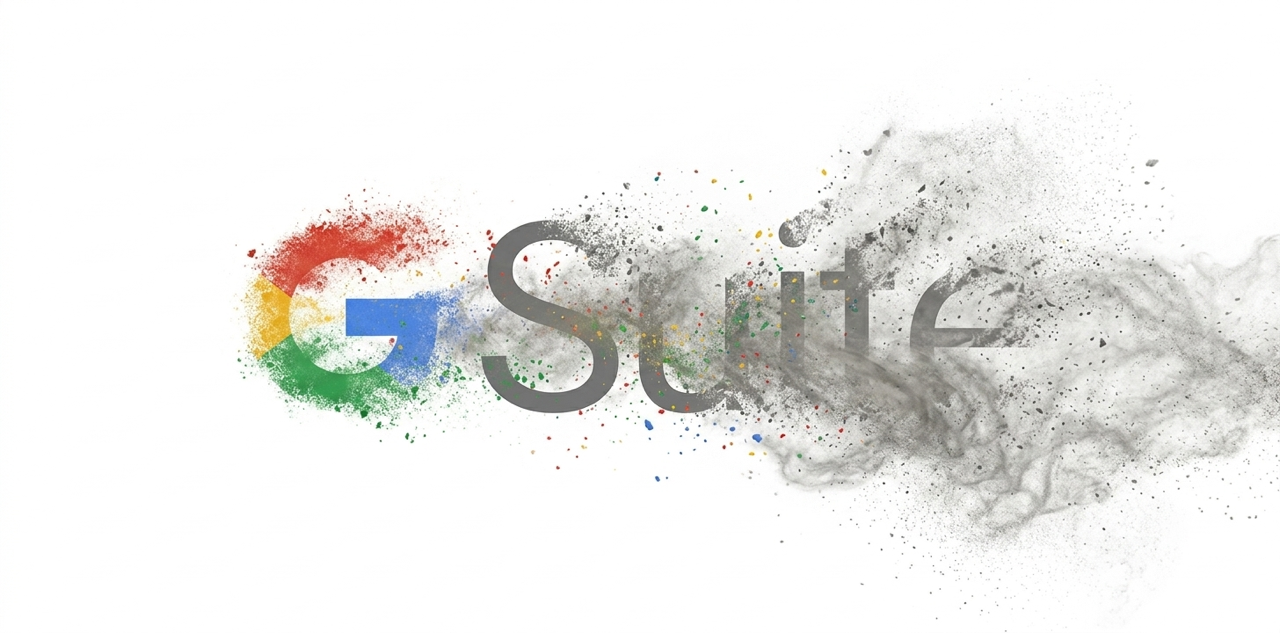
When I was approximately 15 years old (2011), that was when I began to have my first contacts with the internet. To have a space in it, the starting point was to have an email.
By then there were some email services that were free: Hotmail, Yahoo and Gmail, they are the only ones I remember. But of all of them, the one that attracted me the most was Gmail, because it had a more serious name (for me) and also, although it was free, it had the requirement of being invited by someone with an account. If you were fortunate enough to know someone with an account and the availability to send you an invitation—because each user only had 50 invitations available to send—it was therefore not so easy to get.
I was finally able to get an account and I'm sorry I can't remember who gave me the invitation, but it meant a lot to me. Since then, without having a real reason to read emails that no one would send me. The motivation for having it was that it gave me a sense of right to access the Internet to check spam and/or humorous emails that were becoming popular; This is how "a social network" began to be generated with the emails that were copied.
With the evolution of the web, new actors appeared, such as instant messaging chats that also allowed various things to be personalized. The first social networks such as Fotolog and Facebook also began to become widespread.
Amid these new actors, emails were also evolving, both in their available space and in reading and color customizations. But Gmail didn't stop there; It was part of a "company" called Google, which started with the search engine for most web searches.
With new technological players and innovative services, such as the cloud and office tools, needs were created to the point of being essential in our office work.
Today it is very difficult to stay off social networks or not have any use of the G Suite, Microsoft Suite or Apple Suite tools. These technologies have evolved so much that they have the ecosystem between hardware and software.
The appearance of restlessness
My preference for Google tools has been clear from the beginning. But a couple of years ago something started to bother me: how much information do they have about me? I understand that I am a grain of sand in the desert, but I exist and I move business information, finances, health, contacts and frequency, geographical locations, device use, consumption information, schedules, daily steps, etc., etc., etc.
Under the same previous premise of knowing that I am only one of billions, and that the information provided is valuable, I believed that they did not have the technical capacity to analyze millions on their various devices. This reassured me; I thought that what was delivered would only be for annoying advertisements and general archetypes of some market.
A couple of years ago, around 2023, I started hearing about the great advancement of technology in AI. Although at the beginning it was fed with specific information and learned from its own responses and new instructions, evolutionary leaps led it to be almost incomprehensible; It is capable of reading, identifying images and analyzing thousands of multimedia files in seconds.
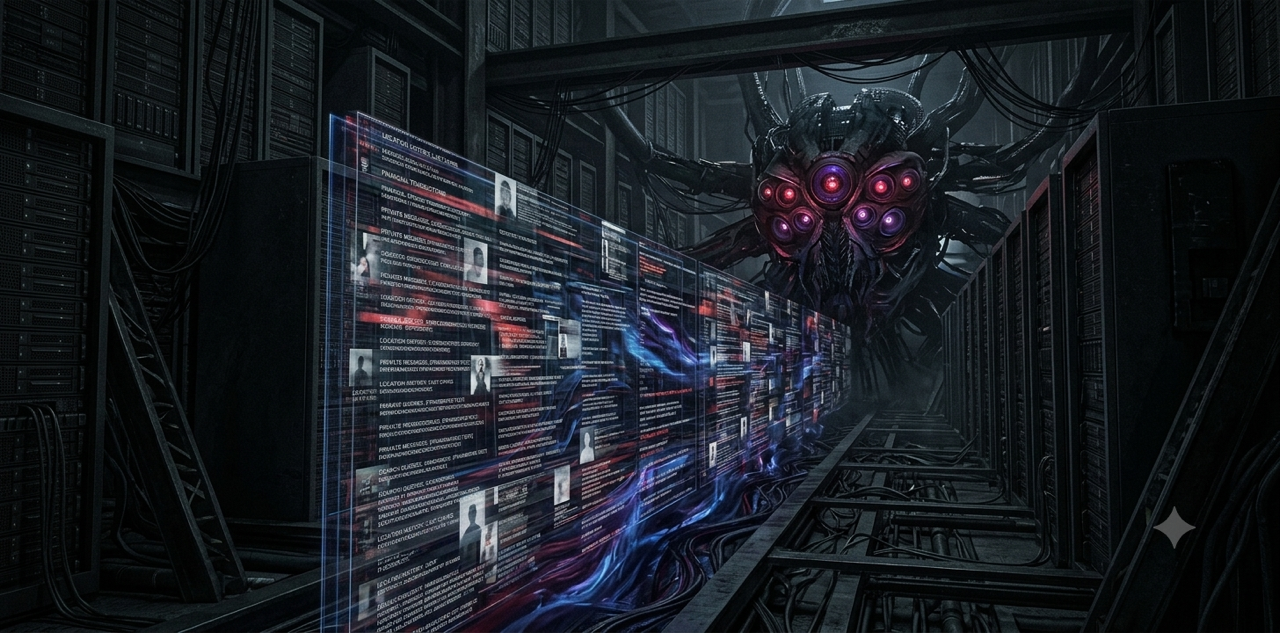
The technical limitation that allowed me to have peace of mind with these tools no longer exists today. Although "he who does nothing, fears nothing", history has shown me that even if you do nothing, you must fear. There are political and war interests that require all this information to improve their strategies; Behind these strategies there are people with such enormous ambitions that they see people's lives as just another resource.
Remember the news about old technology electronic devices that were remotely modified through their software to become bombs and attempt to kill their wearers? (September 2024). I understand that here we can have different views; The target was terrorists, bad people. But let's not forget that we have already experienced episodes of murders for simply thinking differently, such as the coup d'état in Chile in 1973.
I want to emphasize that I am against any type of violence, wherever it comes from. The United States, Israel, Russia, Hamas, Hezbollah, etc., have demonstrated insensitivity towards people's lives (including babies, boys and girls) for ideological objectives, and today individuals' information is in the hands of AIs so powerful that it gives me chills.
This terrible reflection gave me the push to un-Google myself, to change all the services and uses that I give to technologies.
Discover a new path
I have tried to stay out of social networks before, finding them "annoying and authoritarian", but society forced me to return to them. Those who have ever tried it will know. From basic services for emergencies, benefits, information, jobs, family, communication, everything lives in them. I used them again, but I use them strictly and punctually.
With this experience, I already knew that I cannot do without all the tools, but I could choose new ones with strict regulations or that I have control as much as possible and that prevent the entry or exit of information to third parties.
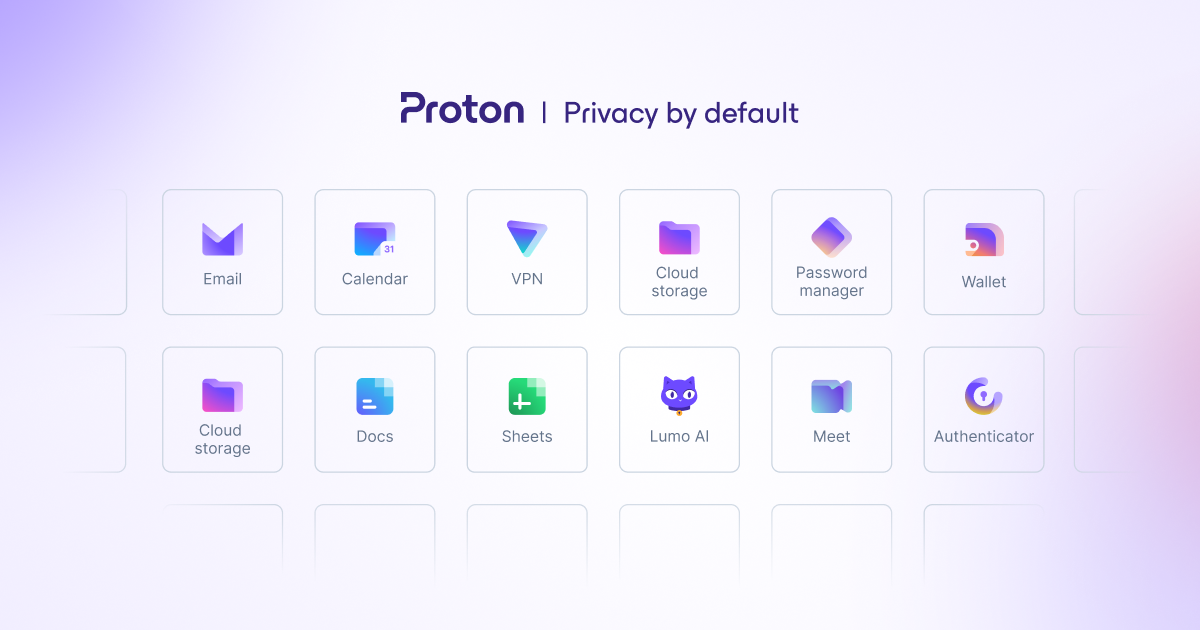
The first thing was to recover all the information I have in the cloud, Google Drive and Photos. But where would I keep it? I needed to have it easily available. For office tools I found a Proton ecosystem that would replace G Suite; is based in Switzerland, which has some of the strictest privacy and data protection laws in the world. The first thing I noticed was that every document and email is encrypted; I already felt security. I started replacing Docs, spreadsheets and presentations. After a couple of weeks of using it I noticed the difference: it is slower and they don't have all the tools, I couldn't even edit on mobile.
With all this questioning and problems, I came up with my own server at home. With the help of AI, obviously, I was guided to configure a computer that I had not used. I must admit that the use of codes and Linux is a challenge and satisfaction that I have always had.
I set up my server with the lightest operating system possible: Ubuntu 24.04.4 LTS (Noble Numbat), using terminal only. I later configured CasaOS to manage the files and users on the server. To be honest, I use the SMB connection more from my Mac or other devices, and SSH to give commands to the server from the Mac Terminal.
I found this last point incredible: I could automate things, like sorting folders, files, converting, etc. Obviously I support myself with an AI, but learning from daily use. And the other thing is that, by having the SMB connection, I can open the files as if they were on my Mac, but without taking up space. I created folders for my family so they could keep their files organized.
To ensure the integrity of my files, I connected an external hard drive to the server and automated it so that every day at 4 in the morning it backups all the files on the server. If the disk fails, I already have a backup on the computer.
With the files at hand, I use open source office tools: LibreOffice. Although they look similar to G Suite or Microsoft Suite, their way of working is different, but they have all the options I require; in spreadsheets, formulas, drop-down menus, etc., everything works, you just have to search when you don't know how to do it. And the best thing is that I can also access it from my mobile device and I use Collabora Office, this is the simile to LibreOffice.
Another benefit: the music. I have saved my FLAC files here and open them on any device connected via SMB. For music lovers it is an excellent option.
With this configuration I already manage all my files privately and only on my local network. I should mention that I still installed a VPN to have access outside my network, so that the passage of information is secure and encrypted.
A chance to the past
Although I am still organizing all my photos, which are thousands, I want to take advantage of returning to the tangible. I am going to print the most significant photographs to put them in albums by theme. I want to have those after-dinner conversations again in which memories were looked at in photographs, generating surprises, laughter and conversations; something that technology took away from us.

Final reflection
Stopping using the tools completely is a mistake, because they are still necessary and in the world of work they are totally essential; Additionally, as a digital product designer, I must stay abreast of new technologies and interaction behaviors.
I want us to understand that, due to some mistake, a war or maliciously on the servers where our information is hosted or on our devices, they will strip us of it; Nothing ensures that we will recover it. There is already enough evidence, such as that of an AI that escaped from the test space and made modifications without being asked, a science fiction analogy of Jurassic Park, the Indominus Rex or more directly Skynet from Terminator.
Also an AI used by human consciousness to have people as targets of attacks, for thinking differently. Or what if one day an authoritarian extremist politician decides that all the information housed in companies in his country is his property and forces us to pay for access to it or takes it away from us? Or a Hacker. Let's also think that we are constantly creating information that we want to save, which leads us to pay for the space used.
It seems like a fatalistic reflection, but what I propose with this "note" is to be aware of our distributed information and the impact of losing it or being used maliciously.
Thanks for reading.