3D printing and sustainability: What do we do with waste?
November 2022
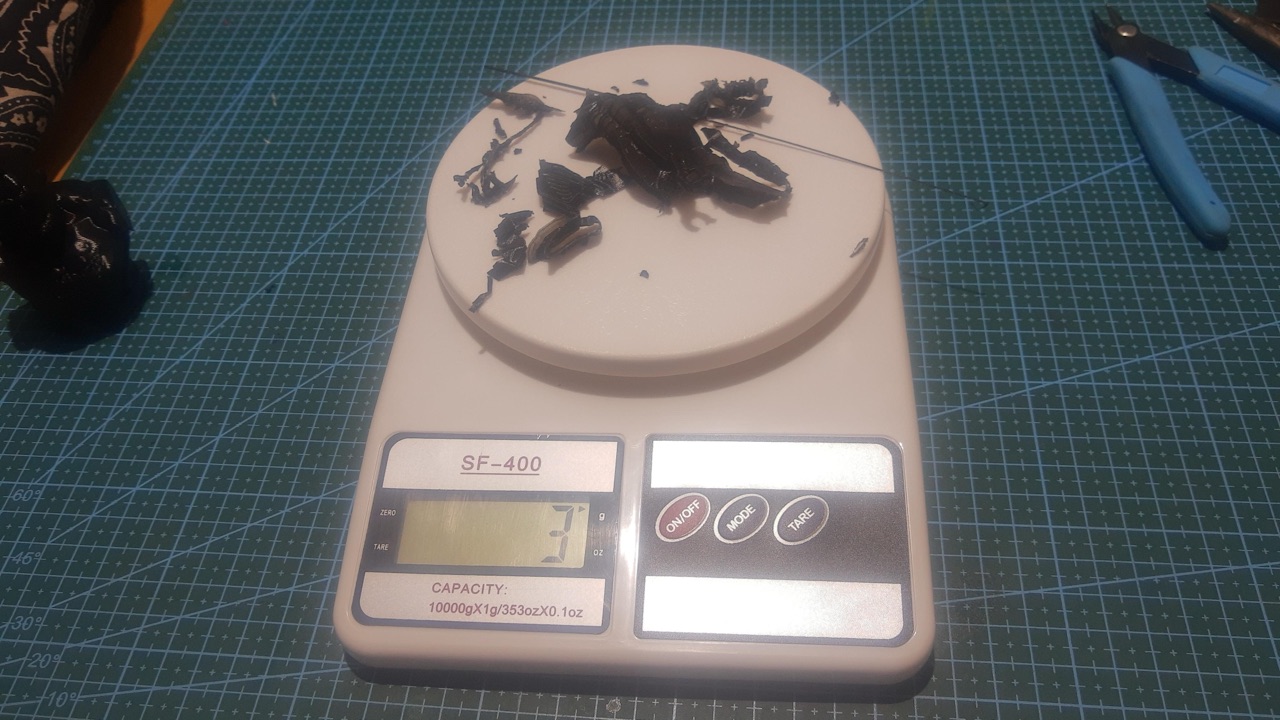
3D printing has revolutionized the way we design and manufacture objects. However, this technology, like many others, generates waste that we must consider. Stands, failed parts, and filament packing are just a few examples of the waste that occurs during the printing process.
The problem of waste in 3D printing
The most commonly used materials in 3D printing, such as PLA (polylactic acid) and ABS (acrylonitrile butadiene styrene) derived from petroleum. Although PLA is considered a biodegradable material, its production and decomposition still have an environmental impact. In addition, the generation of supports, necessary to keep the part in place during printing, significantly increases the amount of material used and, therefore, the amount of waste.
Solutions and alternatives
- Reusing filaments: Filaments that have been used to print small or defective parts can be shredded and reused to print less demanding objects.
- Recycling companies: There are companies specialized in recycling PLA filaments, such as Cicla 3D, which collect users' waste and transform them into new filaments.
Waste reduction design:
- Media optimization: Use laminating software to generate the smallest amount of media possible.
- Oriented printing: Orient the piece so that the need for supports is minimized.
- Modular design: Design parts in smaller modules to reduce waste in the event of printing failures.
SUSTAINABLE MATERIALS:
- Plant-based PLA: Opt for PLA filaments made from renewable raw materials.
- Biodegradable materials: Explore the use of biodegradable and compostable materials.
- Recycled materials: Use filaments made from recycled plastics.
Individual and Collective Actions
Each of us can contribute to reducing the environmental impact of 3D printing:
- Optimize printing processes: Adjust printing parameters to minimize failures and reduce the amount of wasted material.
- Reuse waste: Find creative ways to reuse failed supports and parts, such as creating new objects or using them as filler in DIY projects.
- Join communities: Participate in online groups and forums where experiences and knowledge about sustainable 3D printing are shared.
- Support recycling initiatives: Buy filaments from companies that are committed to sustainability and recycle your printing waste responsibly.
The future of sustainable 3D printing
3D printing has the potential to be a highly sustainable technology. However, it is necessary for both equipment manufacturers and end users to adopt more responsible practices. Through research, the development of new materials and collaboration between different actors, we can build a more sustainable future for 3D printing.
Conclusion
3D printing is a powerful tool that allows us to create incredible objects, but it also generates waste. By becoming aware of our impact and adopting more sustainable practices, we can enjoy the benefits of this technology without compromising the environment.
Together we can build a more sustainable future for 3D printing!
Thanks for reading.